Growing Cattleya Orchids

Growing Cattleya Orchids:
A Guide to Beautiful Blooms
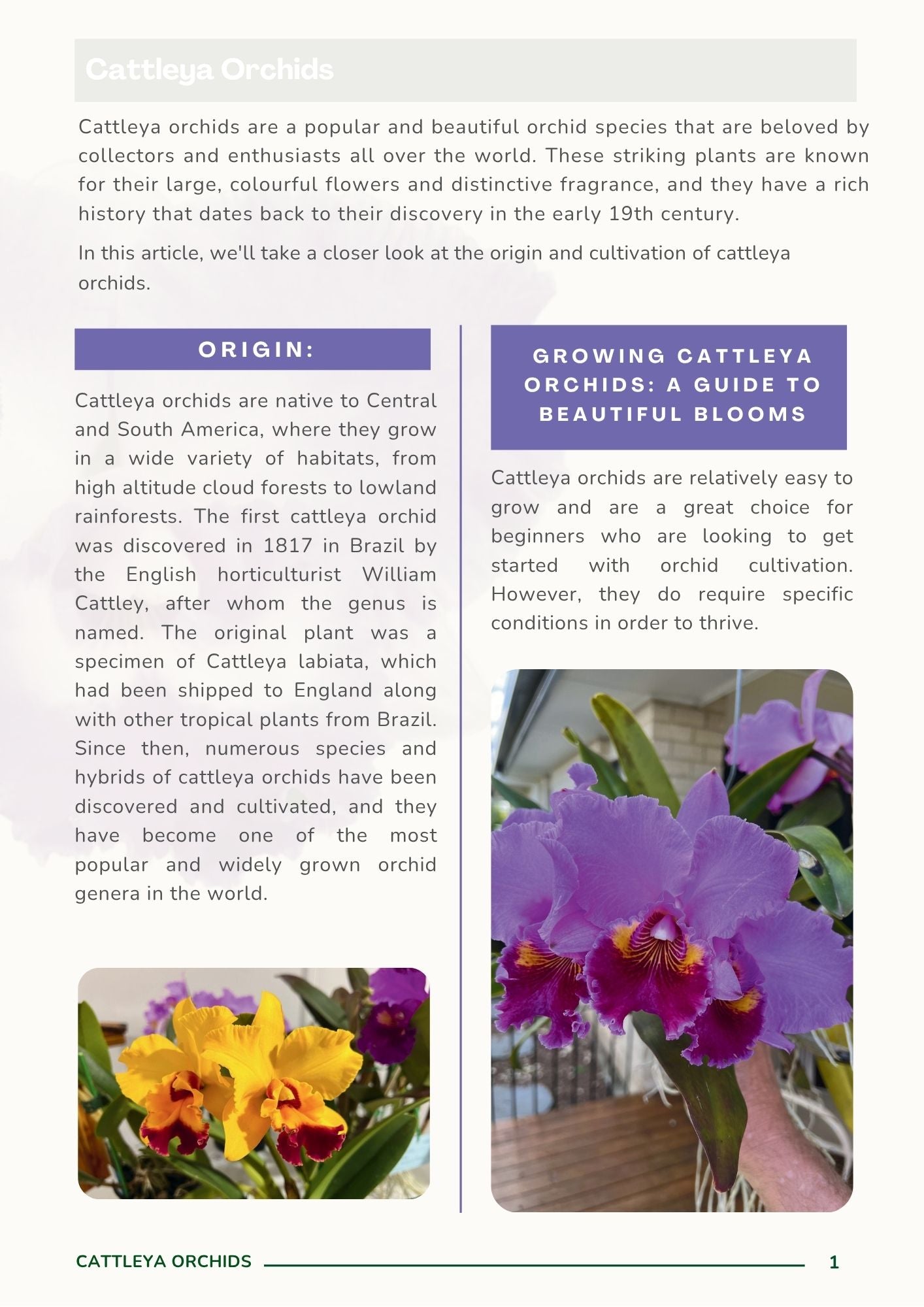
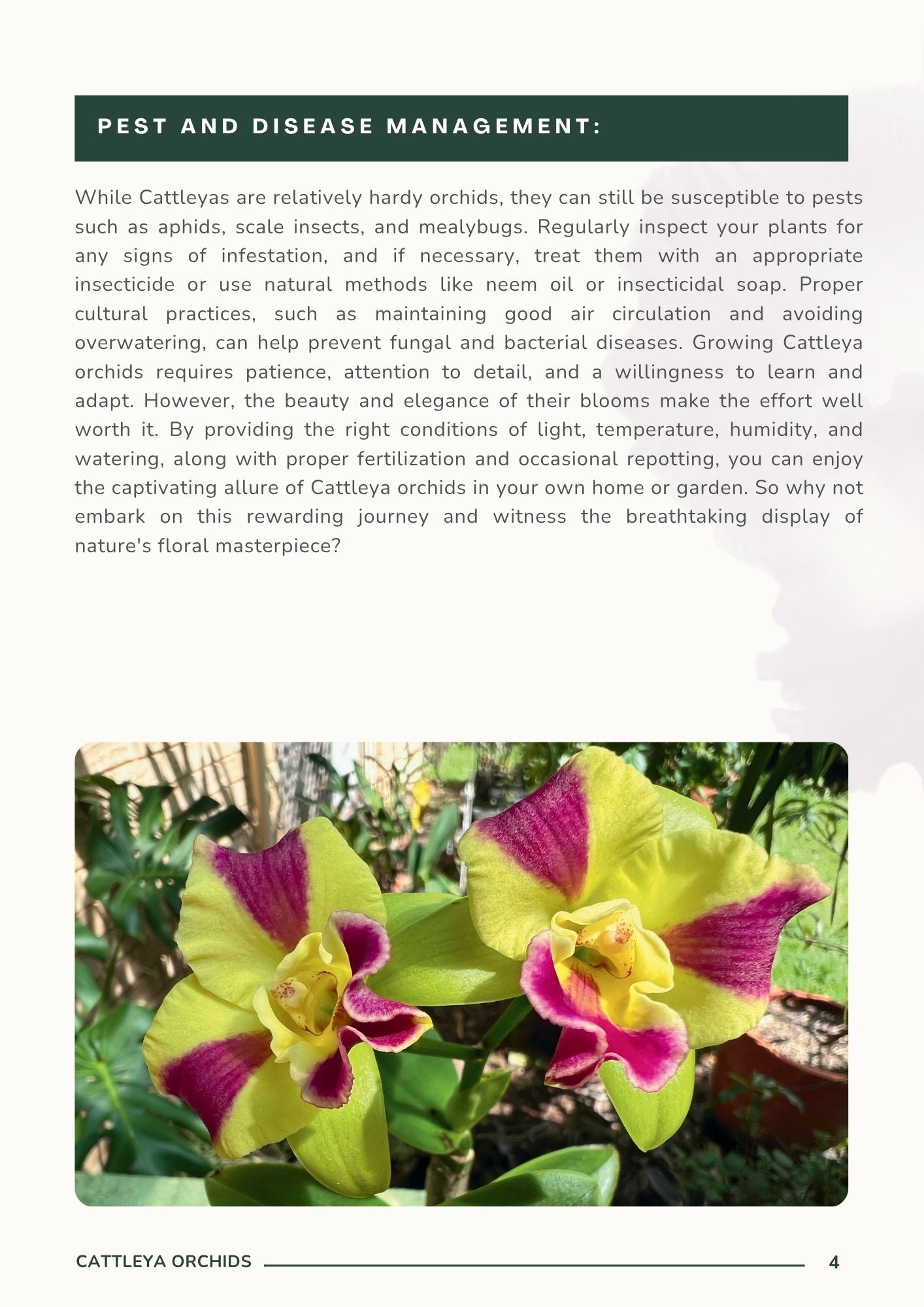
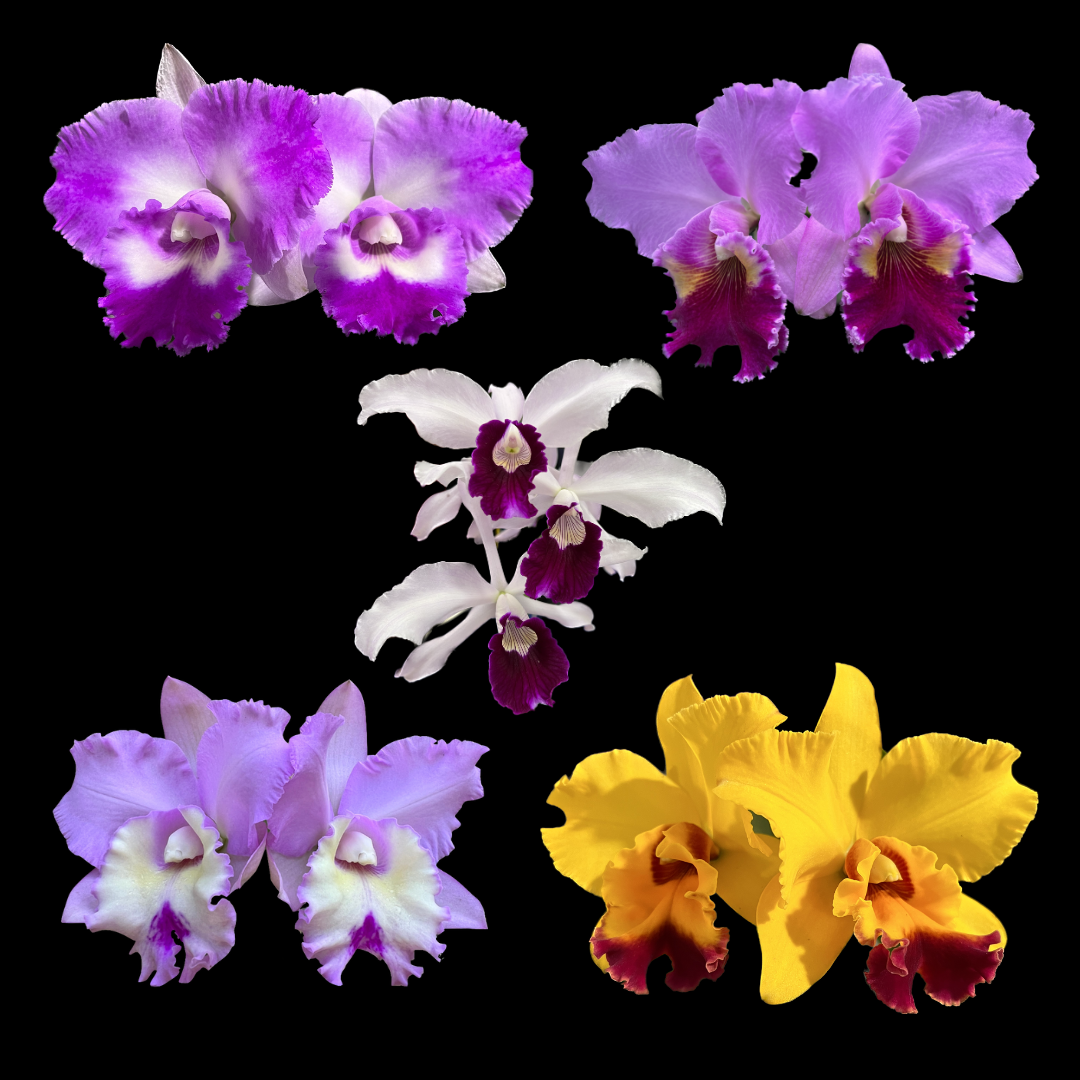
Cattleya orchids, often referred to as "queen of the orchids," are renowned for their stunning and vibrant blooms. With their large, fragrant flowers and wide range of colors, they are highly sought after by orchid enthusiasts and collectors alike. While they require a bit more attention compared to some other orchid varieties, growing Cattleya orchids can be a rewarding and enjoyable experience. In this guide, we'll explore the essential aspects of Cattleya orchid care and provide you with helpful tips for successful cultivation.
Light and Temperature Requirements:
Cattleya orchids thrive in bright, indirect light. They require approximately 4 to 6 hours of filtered sunlight each day. Placing them near a south, (north in southern hemisphere) or east-facing window with sheer curtains or providing them with supplemental artificial lighting can ensure they receive the optimal light conditions. As for temperature, Cattleyas prefer a daytime temperature range between 70-85°F (21-29°C) and a slightly cooler nighttime temperature between 55-65°F (13-18°C).
Air Circulation and Humidity:
Good air circulation is crucial for Cattleya orchids as it helps prevent the development of fungal diseases. Positioning a small fan nearby or gently moving the air around the plants using a ceiling fan can provide adequate airflow. In terms of humidity, Cattleyas prefer moderate to high levels, ideally around 50-70%. To achieve this, you can use a humidifier, place the orchids on a humidity tray filled with water and pebbles, or group them together to create a microclimate.
Watering and Potting Mix:
Cattleyas are epiphytic orchids, meaning they grow on trees in their natural habitat. Therefore, they have unique watering requirements. Allow the potting mix to dry slightly between waterings, but avoid letting it become bone dry. Water the orchid thoroughly, allowing water to flow through the drainage holes, and then let the excess water drain away. Overwatering can lead to root rot, so it's important to strike the right balance. Cattleyas prefer a well-draining potting mix consisting of bark, sphagnum moss, perlite, and charcoal.
Fertilization:
Cattleya orchids are heavy feeders and benefit from regular fertilization. Use a balanced orchid fertilizer with an N-P-K ratio of 20-20-20 or a similar formulation. During the active growth period, which typically occurs in spring and summer, fertilize your Cattleyas every two weeks. Reduce the frequency to once a month during fall and winter when the orchids are in their resting phase. Always follow the instructions on the fertilizer package and dilute it to half or quarter strength to avoid burning the orchid's roots.
Repotting:
Cattleya orchids generally require repotting every two to three years, or when the potting mix starts to break down and lose its structure. Spring is the best time to repot Cattleyas, just before the start of the active growth period. When repotting, carefully remove the orchid from its old pot, trim any dead or damaged roots, and place it in a slightly larger pot with fresh potting mix. Avoid burying the pseudobulbs, as this can lead to rotting.
Blooming and Pruning:
Cattleya orchids typically bloom once a year, with each flower spike producing multiple blooms. The flowers can last several weeks to a month, depending on the variety. Once the flowers fade, you can remove the spent flower spike by cutting it close to the pseudobulb. Pruning the orchid is generally not required unless you need to remove dead or diseased portions.
Pest and Disease Management:
While Cattleyas are relatively hardy orchids, they can still be susceptible to pests such as aphids, scale insects, and mealybugs. Regularly inspect your plants for any signs of infestation, and if necessary, treat them with an appropriate insecticide or use natural methods like neem oil or insecticidal soap. Proper cultural practices, such as maintaining good air circulation and avoiding overwatering, can help prevent fungal and bacterial diseases.
Growing Cattleya orchids requires patience, attention to detail, and a willingness to learn and adapt. However, the beauty and elegance of their blooms make the effort well worth it. By providing the right conditions of light, temperature, humidity, and watering, along with proper fertilization and occasional repotting, you can enjoy the captivating allure of Cattleya orchids in your own home or garden. So why not embark on this rewarding journey and witness the breathtaking display of nature's floral masterpiece?
Visit Our Range of Products With Named Cattleya Orchid Images On Them.
Have a great week growing orchids,
Peter Johnson
Orchids In Print