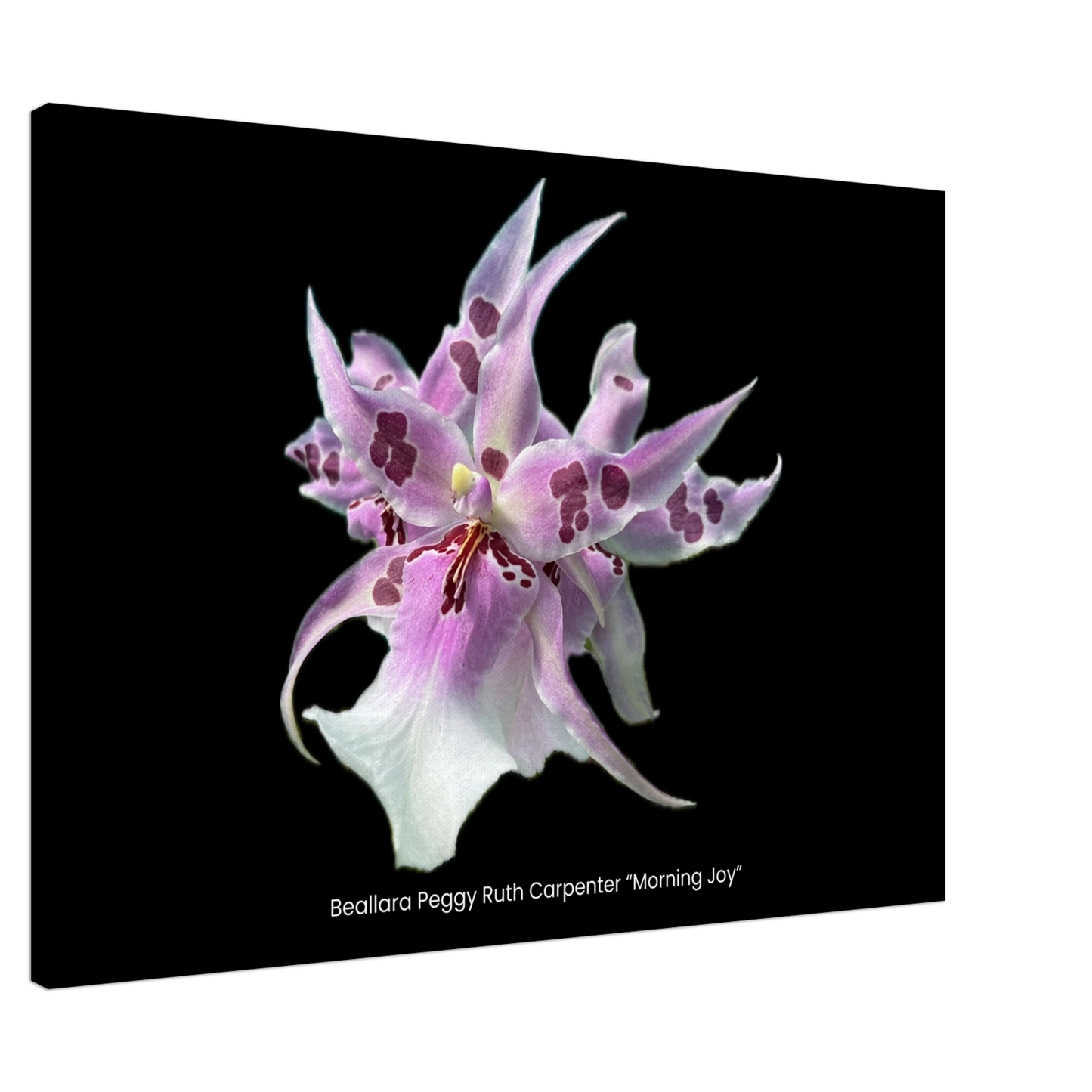
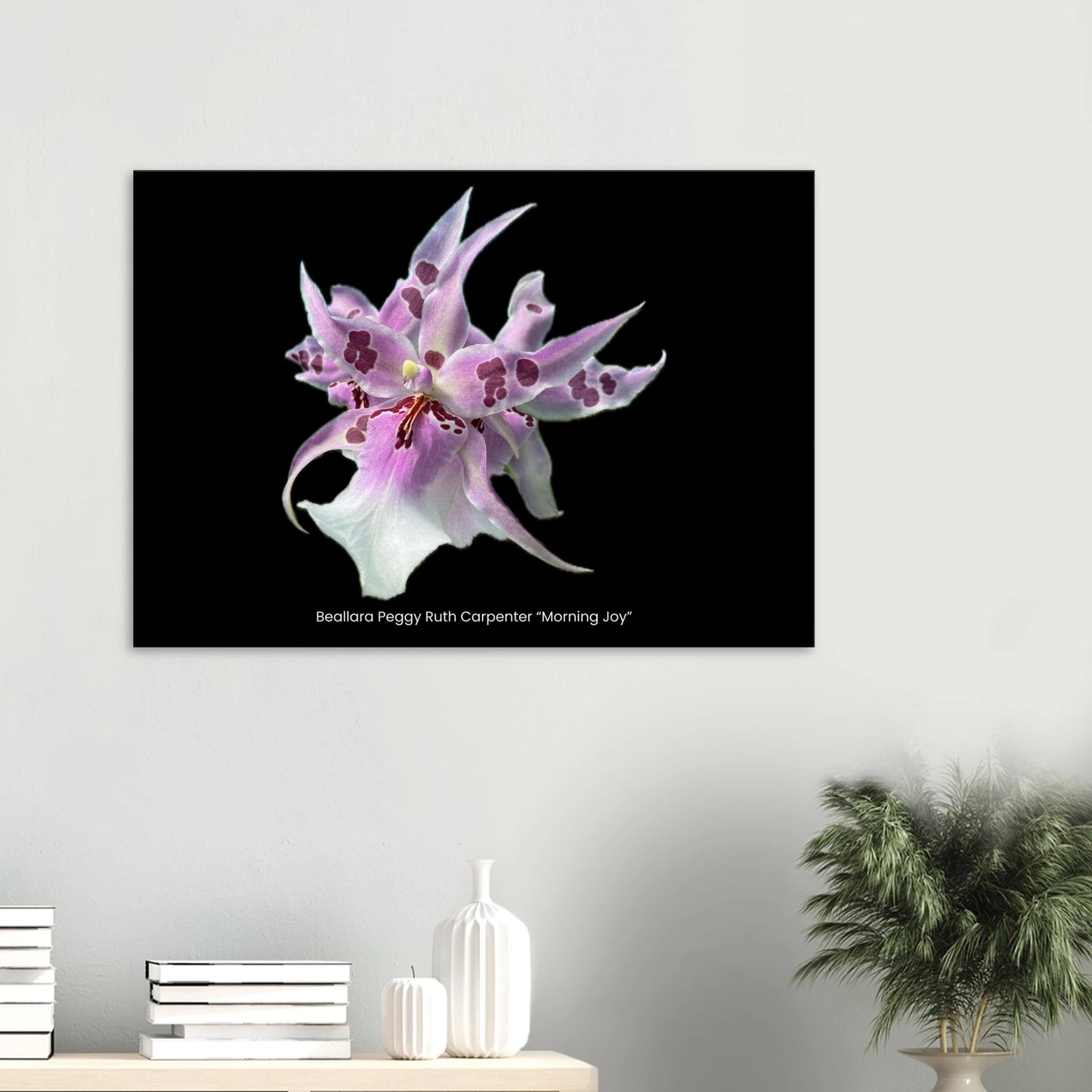
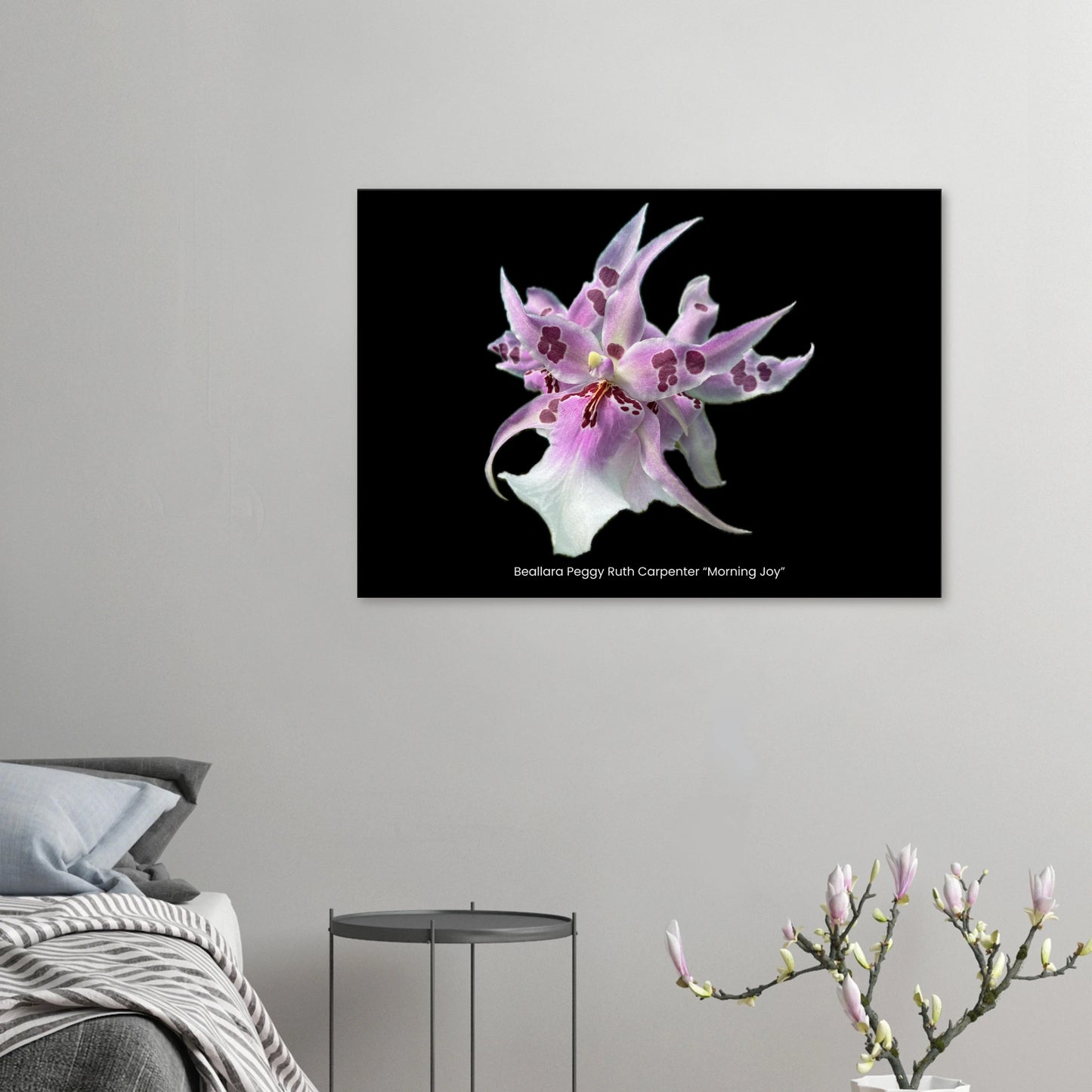
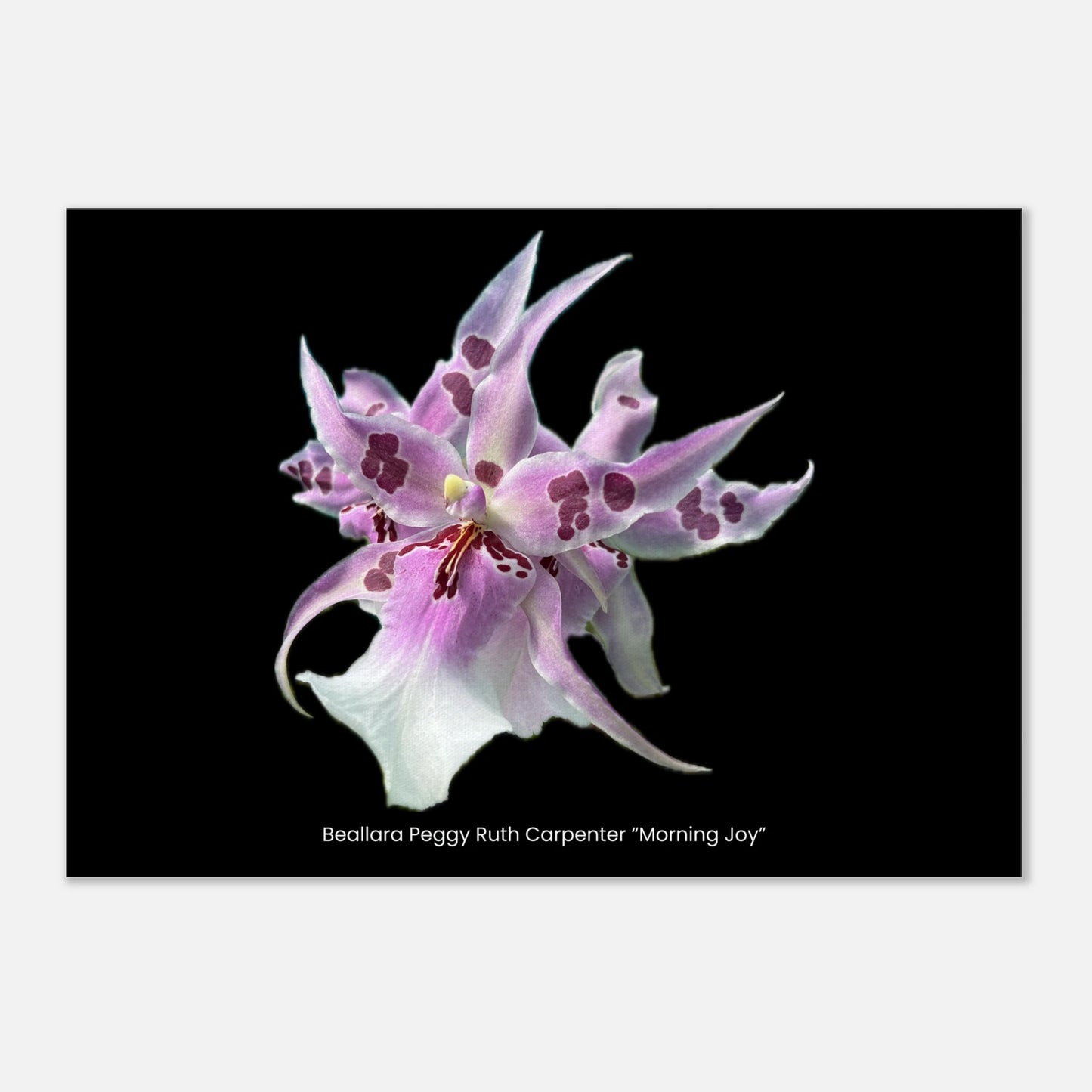
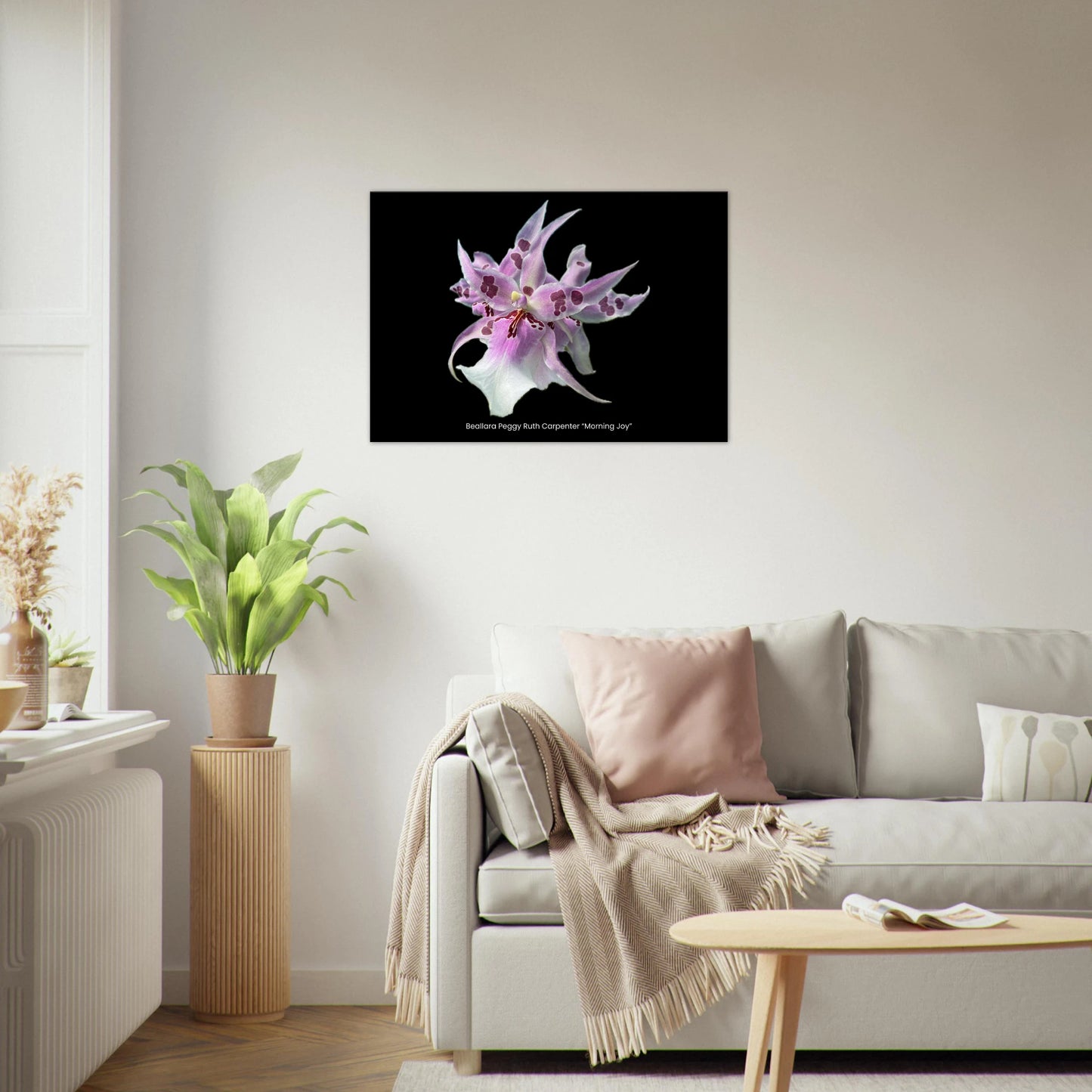
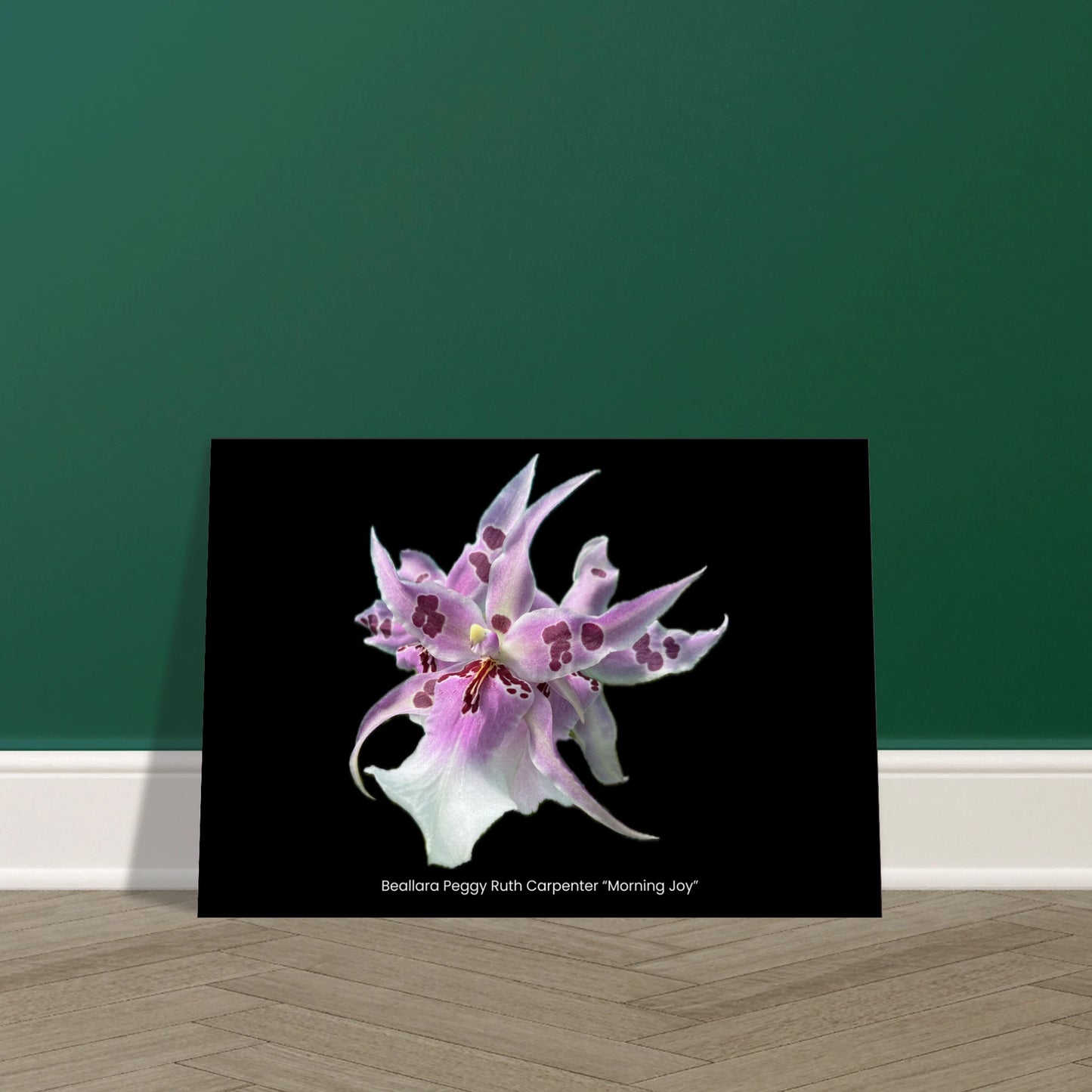
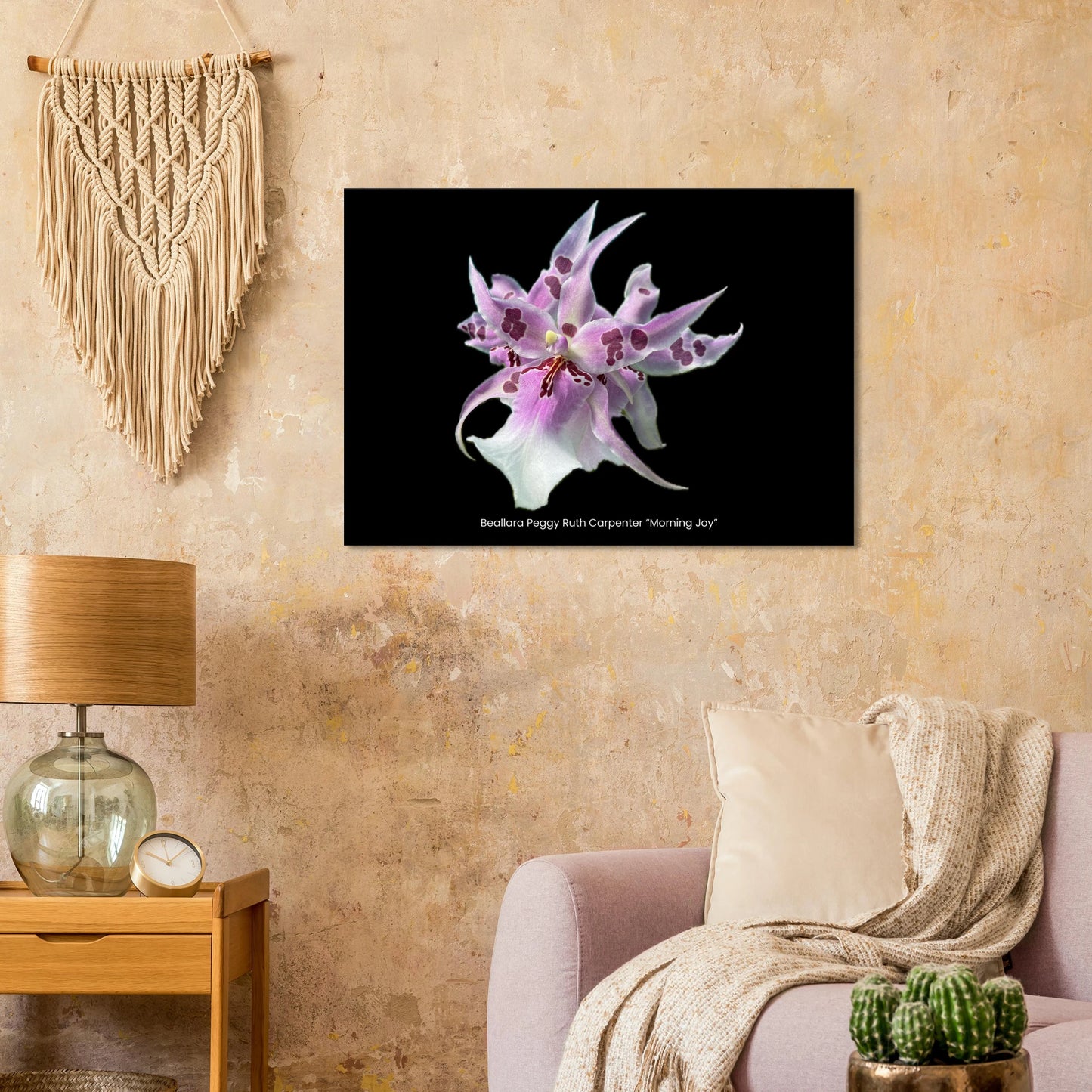
Beallara Orchids
Share
Beallara Orchids
Beallara Orchid
(Now often sold under the name Aliceara, but many growers and sellers still use Beallara.)
What Is a Beallara Orchid?
The Beallara orchid is not a natural species found in the wild. It is a man-made hybrid orchid, created by crossing several different types of orchids together. These hybrids were developed to combine the best traits of their parent plants—especially Natural Location
Because Beallaras are man-made hybrids, they do not grow naturally in the wild.
However, their parent orchids originally came from:
- Central America
- South America
- Especially the Andes Mountains regions
- Countries like Colombia, Ecuador, Peru, and Bolivia
These areas are known for cool to moderate climates, misty forests, and mountain cloud zones.
Today, Beallara orchids are grown and sold all over the world, including:
- Australia
- United States
- Europe
- Asia
- United Kingdom
Flower Description
Beallara orchids are grown mainly for their dramatic, long-lasting flowers.
Flower Shape
- Flowers are usually star-shaped
- Petals and sepals are often long and pointed
- Some varieties have wider, rounder petals
- The center of the flower (called the lip) is often bold and eye-catching
They look exotic, artistic, and sometimes almost “alien” in form.
Flower Size
- Medium to large-sized blooms
- Each flower can be around 6–12 cm wide
- One flower spike can carry 8–15 flowers or more
Colour Range
Beallara’s are famous for their rich, intense colours:
Common colours include:
- Purple
- Deep red
- Pink
- White
- Cream
- Yellow
- Burgundy
Many flowers are multi-coloured rather than just one solid colour.
Patterns and Markings
One of the most striking features of Beallara orchids is their patterning.
You may see:
- Spots
- Freckles
- Splashes
- Brushstroke-like markings
- Dark centres with lighter edges
- Veins running through the petals
No two hybrids look exactly alike.
Texture and Finish
- Petals may appear:
- Velvety
- Satin-like
- Glossy
- Some flowers shimmer slightly in the light
Fragrance
Some Beallara orchids have a light to strong fragrance, while others have no scent at all. The fragrance can range from:
- Sweet
- Floral
- Soft and powdery
- Occasionally spicy
It varies by hybrid.
Flower Longevity
Beallara blooms are long-lasting compared to many other flowers.
- Each bloom can last several weeks
- A full spike of flowers can stay attractive for 1–2 months
Why Beallara Orchids Are Popular
People love Beallara’s because:
✅ Bold and dramatic appearance
✅ Long-lasting blooms
✅ Unique colours and patterns
✅ Exotic and artistic look
✅ Excellent for display
They are often used as:
- Feature plants
- Gifts
- Decorative indoor orchids
- Showbench orchids
- Photography subjects
Quick Summary
|
Feature |
Description |
|
Type |
Man-made hybrid orchid |
|
Natural habitat |
None (created by breeders) |
|
Parent orchids |
Brassia, Miltonia, Cochlioda, Odontoglossum |
|
Main appeal |
Showy, colourful, patterned flowers |
|
Flower shape |
Star-like, dramatic |
|
Colours |
Purple, pink, red, white, yellow, spotted |
|
Scent |
Some fragrant, some not |
|
Bloom life |
Several weeks to 2 months |
Where Can I grow Beallara (Aliceara) Orchids?
Beallara orchids (now often called Aliceara) can be grown successfully in many parts of the world, as long as the climate roughly matches the cool-to-intermediate conditions their parent orchids originally came from.
Here’s a location-based, easy-to-understand guide:
Best Natural Climate Types for Beallara Orchids
Beallara’s do best in climates that are:
- Mild to cool
- Not extremely hot
- Not freezing
- Moderately humid
- With good air movement
Their ancestry comes from mountain regions of Central and South America, so they prefer temperate conditions rather than tropical heat.
Suitable Global Locations
1. Temperate Coastal Regions (Ideal)
These areas tend to have mild temperatures year-round.
Examples:
- Coastal Australia (NSW, VIC, TAS, southern WA)
- Coastal California
- United Kingdom
- New Zealand
- Parts of Europe (France, Germany, Netherlands)
- Pacific Northwest (USA & Canada)
Why these work:
✔ Not too hot
✔ Not too cold
✔ Stable temperatures
✔ Moderate humidity
2. Subtropical Regions (With Protection)
They can grow in warmer climates, but need protection from heat.
Examples:
- Queensland (coastal and elevated areas)
- Florida (USA)
- Southern Japan
- Southern China
- Taiwan
In these places, they usually need:
- Shade
- Good airflow
- Cooler nights
- Indoor or protected growing areas
3. Cool Mountain or Highland Regions (Very Suitable)
Highland areas are excellent because they mimic the orchids’ ancestral environments.
Examples:
- Andes Mountains regions
- Mountain regions of Central America
- Elevated areas of Southeast Asia
- Tablelands and ranges in Australia
4. Indoor Growing (Worldwide)
Because they adapt well to pots, Beallara’s can be grown indoors almost anywhere if the conditions are right.
Common indoor locations:
- Homes
- Greenhouses
- Shade houses
- Enclosed patios
- Conservatories
This makes them popular in:
- Cold countries
- Very hot regions
- Urban apartments
Locations That Are Difficult for Beallara’s
They struggle in places that are:
❌ Extremely hot year-round (deserts, equatorial lowlands)
❌ Very dry
❌ Very cold with frost exposure
❌ With little air movement
Examples:
- Central deserts
- Tropical lowland jungles
- Snow-prone alpine zones
In Summary
Beallara orchids grow best in places that feel like:
🌤 Cool to mild spring weather
🌙 Cooler nights
💨 Fresh air
🌫 Some humidity
They do not like extreme heat or stagnant air.
Personal, I live on the coast on the Sunshine Coast, Queensland, Australia, with a temperature range of (7°C/44°F - 22°C/71°F) Nigh time and (64°C/73°F to 34°C/93°F) Day time. Sunny conditions year round. With an average annual rainfall of (1489mm - 58.6”), and in recent years (2000mm - 78.7”) in some areas. Most rain falling in Summer to Early Autumn (Fall) December to April.
I grow my Beallara’s in a greenhouse covered in green 50% shade cloth, and during summer, I place another 50% cloth over the roof, giving 75% light. My Beallara’s grow really well, and have beautiful large flowers.
Have a great week of growing.
Peter Johnson
Orchids In Print
(information and images sourced from own experience, other growers, and various sources)