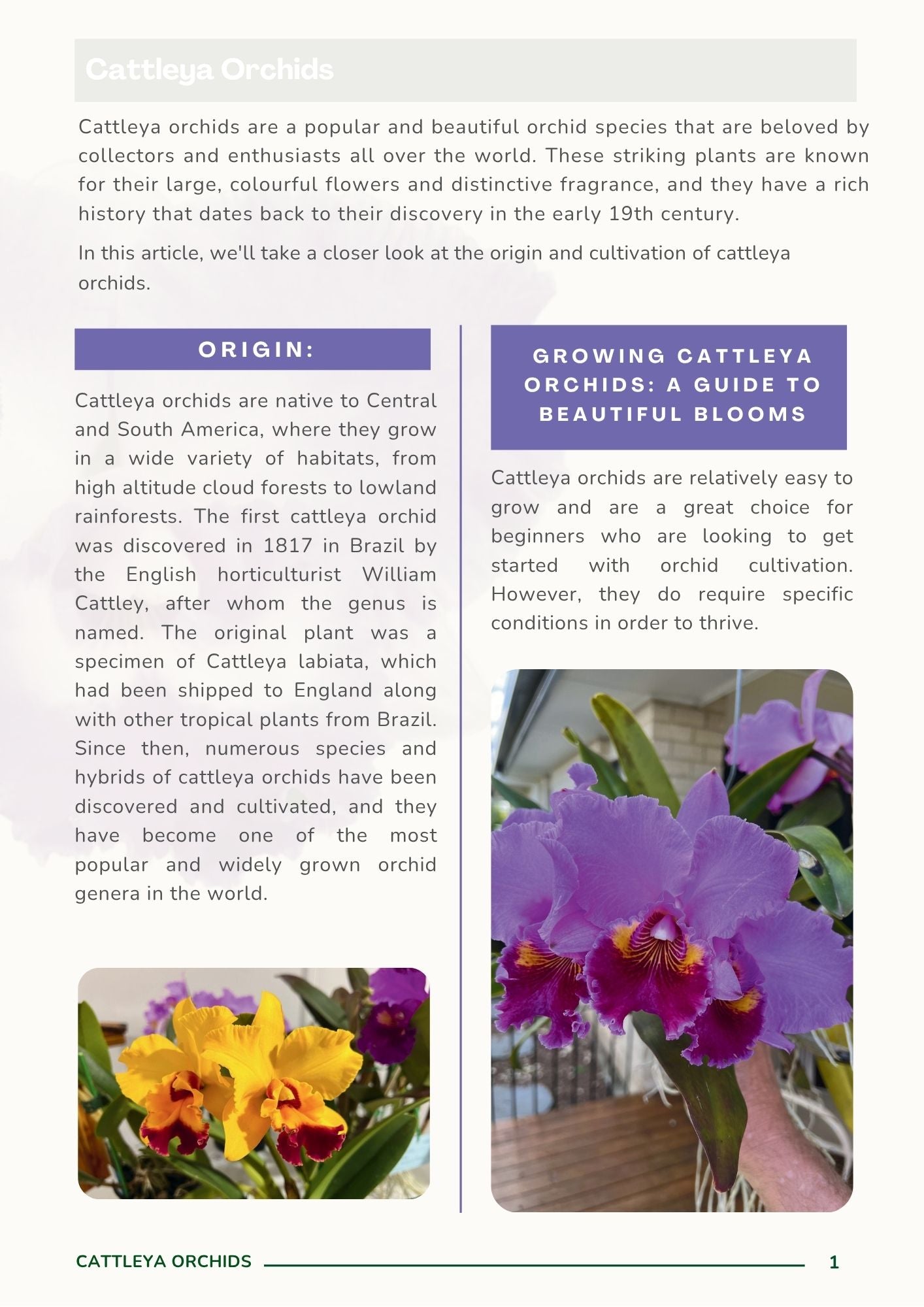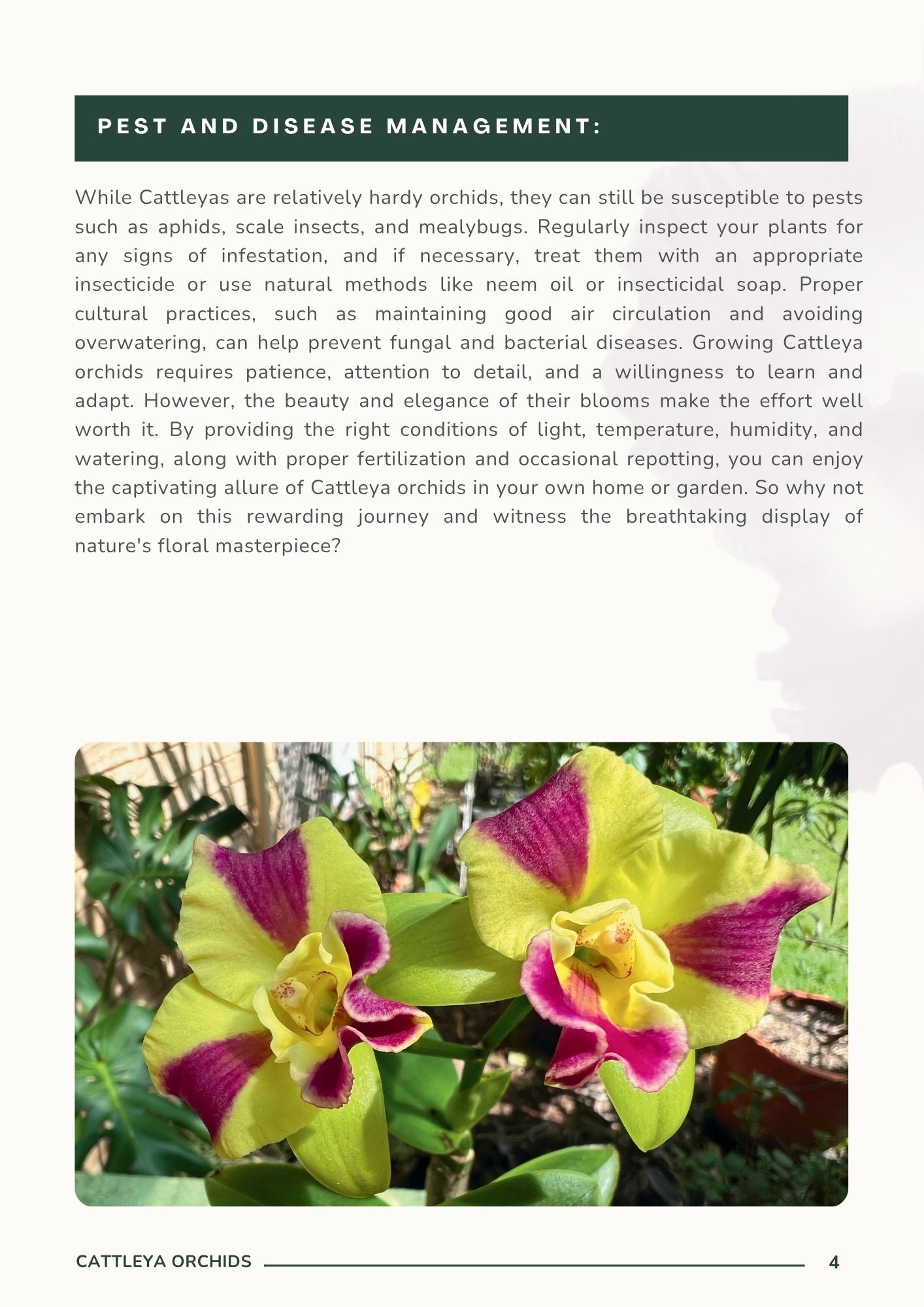
Paphiopedilum (Lady Slipper) Orchids

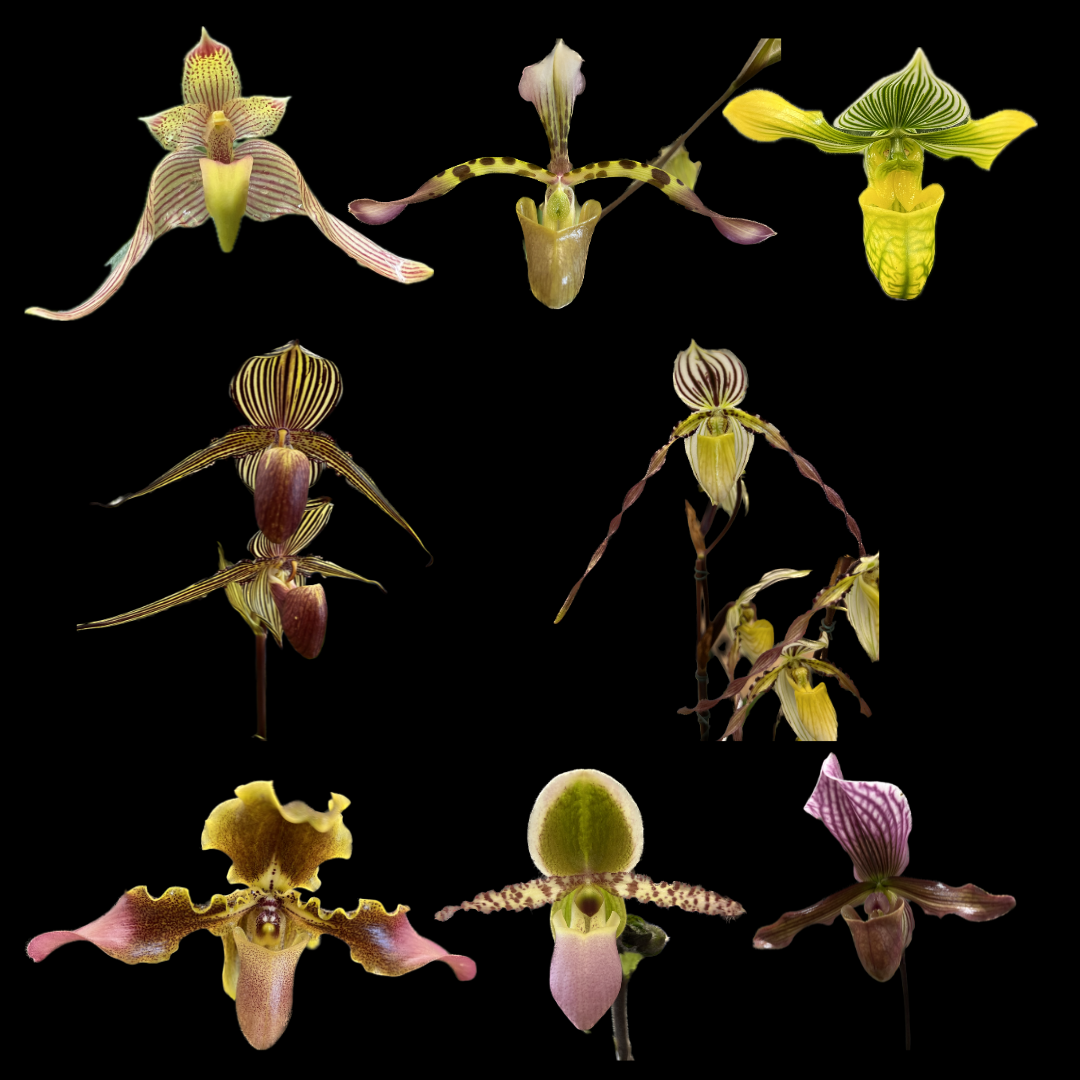
Paphiopedilum orchids, commonly known as "Lady's Slipper Orchids," are a diverse and fascinating group of orchids prized for their distinctive slipper-shaped pouches. With a history dating back centuries and a remarkable diversity in appearance, these orchids are cherished by enthusiasts and collectors worldwide.
Origin:
Paphiopedilum orchids hail from diverse regions across Asia, primarily found in Southeast Asian countries such as Thailand, Malaysia, Indonesia, the Philippines, and parts of China and India. They inhabit a range of environments, from humid jungles to cool mountainous regions, showcasing their adaptability to various climates
Characteristics:
- Distinctive Pouch: One of the most recognisable features of Paphiopedilums is their pouch-like structure, resembling a slipper or shoe, often with intricate patterns and vibrant colors, serving as a landing platform for pollinators.
- Varied Appearance: Their appearance varies widely among species and hybrids, with diverse colours, shapes, and sizes of flowers and leaves. Some display mottled or striped leaves, while others exhibit a range of colours from white, yellow, green, pink, to deep purple.
- Growing Habits: Paphiopedilums are typically terrestrial, growing in soil or moss on forest floors, with some species also found growing as lithophytes, attached to rocks or trees. They prefer filtered light, moderate humidity, and stable temperatures to thrive.
Cultural Significance:
- Symbolism: Paphiopedilum orchids are often associated with symbols of beauty, elegance, and strength. In some cultures, they represent love, femininity, and rarity, making them popular choices for gifts and ornamental purposes.
- Horticulture: Highly sought after by orchid enthusiasts, Paphiopedilum species and hybrids are cultivated both commercially and by hobbyists. They are showcased in botanical gardens, orchid shows, and collections worldwide.
Conservation and Threats:
- Habitat Loss: Like many exotic plant species, Paphiopedilum orchids face threats from habitat destruction due to deforestation, agricultural expansion, and illegal collection for trade, leading to several species being listed as endangered or threatened.
- Conservation Efforts: Efforts by botanical gardens, conservation organisations, and governmental regulations aim to protect and preserve these orchids by promoting sustainable cultivation, habitat conservation, and combating illegal trade.
Caring for Paphiopedilum Orchids:
- Light and Temperature: Indirect, moderate light and stable temperatures between 60°F to 80°F (15°C to 27°C) suit most Paphiopedilum varieties.
- Watering and Humidity: They prefer slightly moist conditions, not allowing the roots to dry out completely. High humidity levels (around 50-70%) mimic their natural habitat.
- Potting and Fertilisation: Well-draining media like bark, sphagnum moss, or specialised orchid mix is preferred. Fertilise sparingly, using a balanced orchid fertiliser.
Paphiopedilum orchids are not only aesthetically stunning but also hold cultural significance and importance in the world of horticulture. With proper care and conservation efforts, these captivating orchids can continue to enchant generations to come.
Have a great week,
Peter Johnson
Orchids In Print